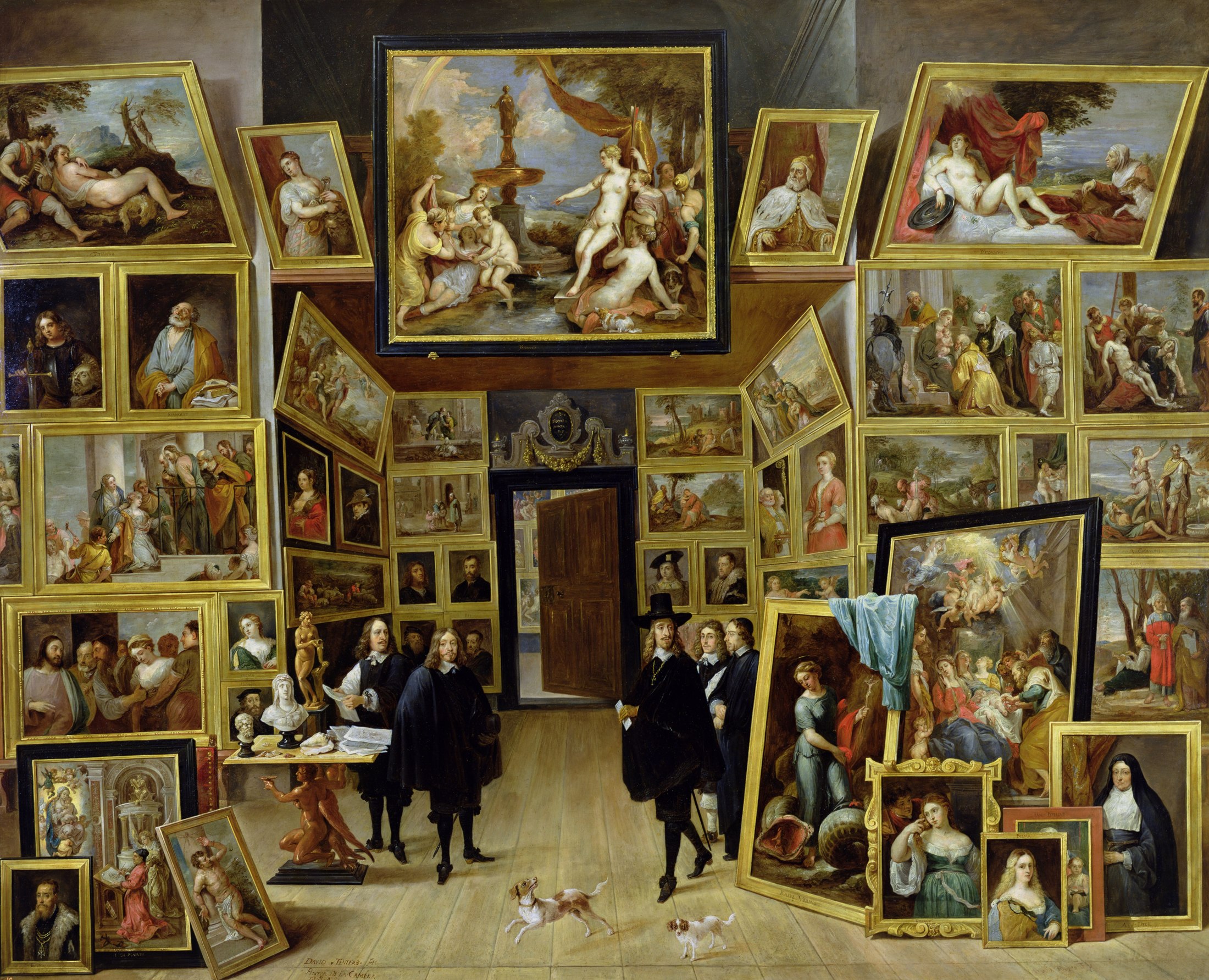
Museums organise attention. They give objects, practices, and ways of being a place in the world. What conditions let those worlds flourish?
Five rooms follow cultivation, devotion, memory, being, and interrelation. Change the definition below. See which possibilities remain.
A MUSEUM MUST HAVE:
Loading the exhibition…THREE PARTIAL CONDITIONS. NO FINAL DEFINITION.
01 / CULTIVATION ↕
What does an institution make possible?
02 / DEVOTION ↕
How does attention become a practice?
03 / MEMORY ↕
What do we keep, and what keeps us?
04 / BEING ↕
Which forms of life can enter the frame?
05 / INTERRELATION ↕
Who cares, who keeps, who returns?
No exhibits meet this definition. Remove a condition or clear your search.
THE WORLD, AS ITS LISTS RECORD IT
A museum of museum lists.
Loading the sourced atlas…
Every list draws a boundary. This atlas gathers the institutions those lists call museums, and keeps the trail back to the source.
Directory imports are starting points for inquiry. Inclusion is not accreditation, a confirmation of current opening, or an endorsement.
IMPORTED RECORDS / SOURCE LINKS ON EVERY ENTRY
Source: Wikipedia contributors. List-derived dataset available under CC BY-SA 4.0. Uneven documentation is part of what this atlas makes visible.
THE MUSEUM SHOWS ITS WORK
Every list has a point of view.
Loading sources…
01 / THE EXHIBITION
Nineteen selected cases connect museum forms to cultivation, devotion, memory, being, and interrelation. Institutional summaries link to their sources. Questions and thematic connections are editorial interpretations. Three hypothetical cases are explicitly labelled.
Illustrations are interpretive studies, not photographs of museum collections.
02 / THE ATLAS
Names, locations, and subject labels are extracted from publicly accessible museum lists. Records are merged by linked article or normalised name within a country. Each entry retains its contributing lists. Country and territory groupings follow those lists; they are not independently geocoded.
No description or opening status is invented for imported records. Blank fields remain unknown. Ambiguous table rows are excluded.
03 / THE LIMITS
This is a snapshot, not a census. English-language lists represent some places much more densely than others. Museums may have closed, moved, changed their names, or been misclassified. Some galleries, heritage sites, and collections appear because the source includes them.
The three definition switches apply only to the researched exhibition. Unknown is different from no.
04 / REUSE & CONTINUE
List-derived records are attributed to Wikipedia contributors and offered under CC BY-SA 4.0. Source pages preserve their edit histories. Raw source prose and photographs are not reproduced.